
Combining Botox With a Chemical Peel: Timing, Benefits, and What to Know
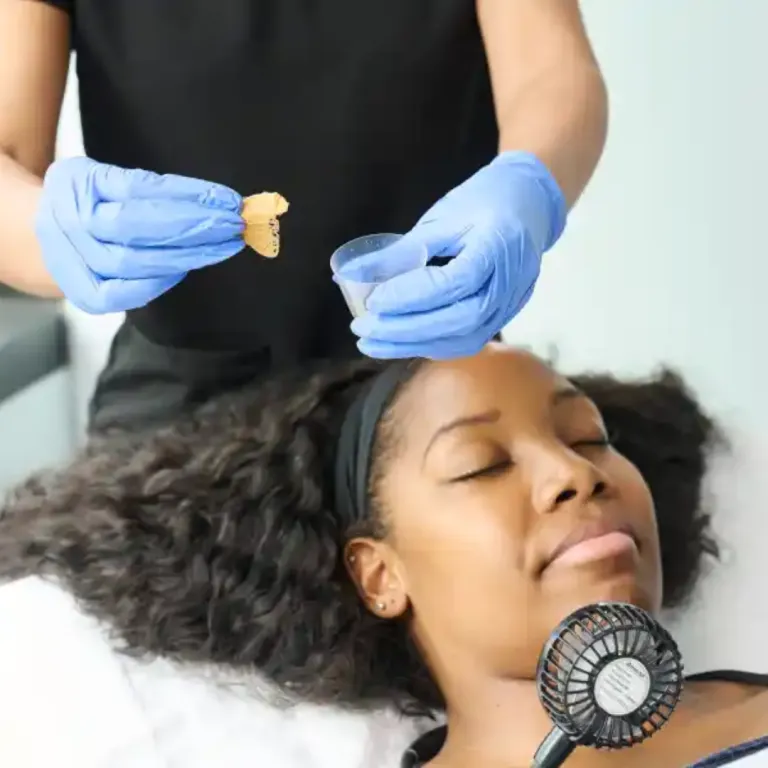
Botox and chemical peels treat fundamentally different skin concerns. Botox relaxes the muscles that cause dynamic wrinkles. Chemical peels resurface the skin itself — addressing texture, tone, discoloration, and fine surface lines. Because they work on different layers, they complement each other well when sequenced correctly.
Some patients consider both treatments for different concerns. Whether to combine them and how much recovery to allow depends on the injection plan and the type and depth of peel.
Why the Combination Works
The short version: Botox handles what’s happening beneath the skin (muscle contraction), and a chemical peel handles what’s happening on the surface (texture, pigmentation, dead skin buildup). Neither treatment can do what the other does, which is exactly why they pair well.
Botox temporarily blocks nerve signals to specific facial muscles, softening forehead lines, frown lines, and crow’s feet. It does not improve skin texture, reduce sun damage, or address uneven tone. Those concerns live in the epidermis and dermis — layers that Botox doesn’t reach.
Chemical peels use controlled acid solutions to remove damaged outer layers of skin, stimulating cell turnover and collagen production. They’re effective for dullness, rough texture, mild hyperpigmentation, superficial acne scarring, and fine lines caused by sun exposure. But they can’t relax the muscles responsible for expression-based wrinkles — that’s where Botox comes in.
When you combine the two, you’re treating the full picture: smoother muscle-driven wrinkles from Botox, plus improved tone, clarity, and texture from the peel. The result looks more complete than either treatment alone.
Timing: Which Comes First
This is the question we get most often, and the answer matters. The general guideline at ELLEMES:
Ask the treating providers to agree on sequence and spacing. A two-week interval may be used in an individual plan, but it is not a universal FDA-established requirement or proof that binding remains incomplete until then.
Skin condition, injection sites, peel depth, and aftercare need consideration. The claim that a peel’s increased blood flow redistributes toxin is not established by the prescribing information.
Same-day treatment should only occur if the treating clinician has assessed the exact procedures and skin condition; this article cannot grant blanket clearance for a light peel.
After a peel, the skin must be assessed before injections. Do not rely on a fixed seven-to-fourteen-day interval if redness, irritation, infection, or incomplete healing remains.
What This Combination Addresses
Patients who benefit most from this pairing typically have more than one concern happening at the same time. Common scenarios we see at our Sandy Springs clinic:
Forehead lines plus dull, uneven skin. Botox softens the horizontal lines across the forehead. A peel removes the surface-level dullness and rough texture that makes the skin look tired even after the wrinkles are relaxed. This is the most common combination we see in patients in their late thirties.
Crow’s feet plus sun damage. Botox around the eyes smooths the dynamic lines that appear when you smile or squint. A peel addresses the brown spots, freckles, and fine crepey texture that sun exposure leaves behind.
Frown lines plus post-acne discoloration. The “11s” between the brows respond well to Botox. Meanwhile, a chemical peel can help fade the dark marks left behind by old breakouts — something Botox has no effect on.
Overall skin maintenance. Many of our regular patients rotate between Botox every 3–4 months and a peel every 6–8 weeks as part of an ongoing maintenance plan. The two treatments on a staggered schedule keep both concerns consistently managed.
Other Treatments That Pair Well With Botox
Chemical peels aren’t the only treatment worth combining with Botox. Depending on your concerns, your provider may recommend one of these instead — or in addition:
HydraFacial: ask the providers to coordinate it with injections. The treatment involves suction and contact and may include massage, so same-day suitability should be individually assessed.
Dermal fillers — if your concern includes volume loss (hollow cheeks, nasolabial folds, under-eye hollows) in addition to expression lines, Botox and filler are frequently done in the same appointment. They address different problems: Botox for movement, filler for structure.
MOXI laser: suitability for pigment concerns and timing around injections require assessment; it should not be described as automatically stronger or better for melasma.
Microneedling: a provider should assess the device, treatment intensity, skin recovery, and timing. Depth cannot be compared with every chemical peel as a single rule.
What to Expect With Recovery
Recovery varies, especially with the depth of chemical peel. Combining procedures does not eliminate their individual risks.
After Botox, many patients return to everyday activities, but bruising, swelling, headache, or unwanted weakness may occur. Follow the clinician’s specific aftercare instructions.
After a chemical peel, recovery depends on the depth. A light peel may cause mild flaking for 2–3 days. A medium-depth peel like a VI Peel involves 5–7 days of visible peeling. During this time, you’ll follow a specific aftercare protocol — gentle cleanser, moisturizer, strict sun protection, and no active skincare products until the peeling is complete.
Even when appointments are separated, recovery can overlap or last longer than expected; allow flexibility and report concerns.
How to Get Started
If you’re considering combining Botox with a chemical peel, the best starting point is a consultation. Your provider will evaluate your skin, discuss which concerns are best addressed by each treatment, and build a sequenced plan that accounts for timing, your schedule, and your goals.
At ELLEMES, we don’t default to the same plan for every patient. Some people benefit most from Botox plus a peel. Others are better served by Botox plus a HydraFacial, or Botox plus filler. The right combination depends on your anatomy and what you’re actually trying to improve — and we’ll tell you that directly.
Learn more about Botox at ELLEMES Medical Spa →
Learn more about Chemical Peels at ELLEMES →
Book a complimentary consultation →
ELLEMES Medical Spa is located at 5505 Peachtree Dunwoody Road in Sandy Springs, GA — serving patients from Buckhead, Brookhaven, Dunwoody, and greater Atlanta.
Sources for the clinical information: American Academy of Dermatology: botulinum toxin FAQs; BOTOX Cosmetic prescribing information; American Academy of Dermatology: preparing for treatment.